A Kenora Dock Built for Rising Water
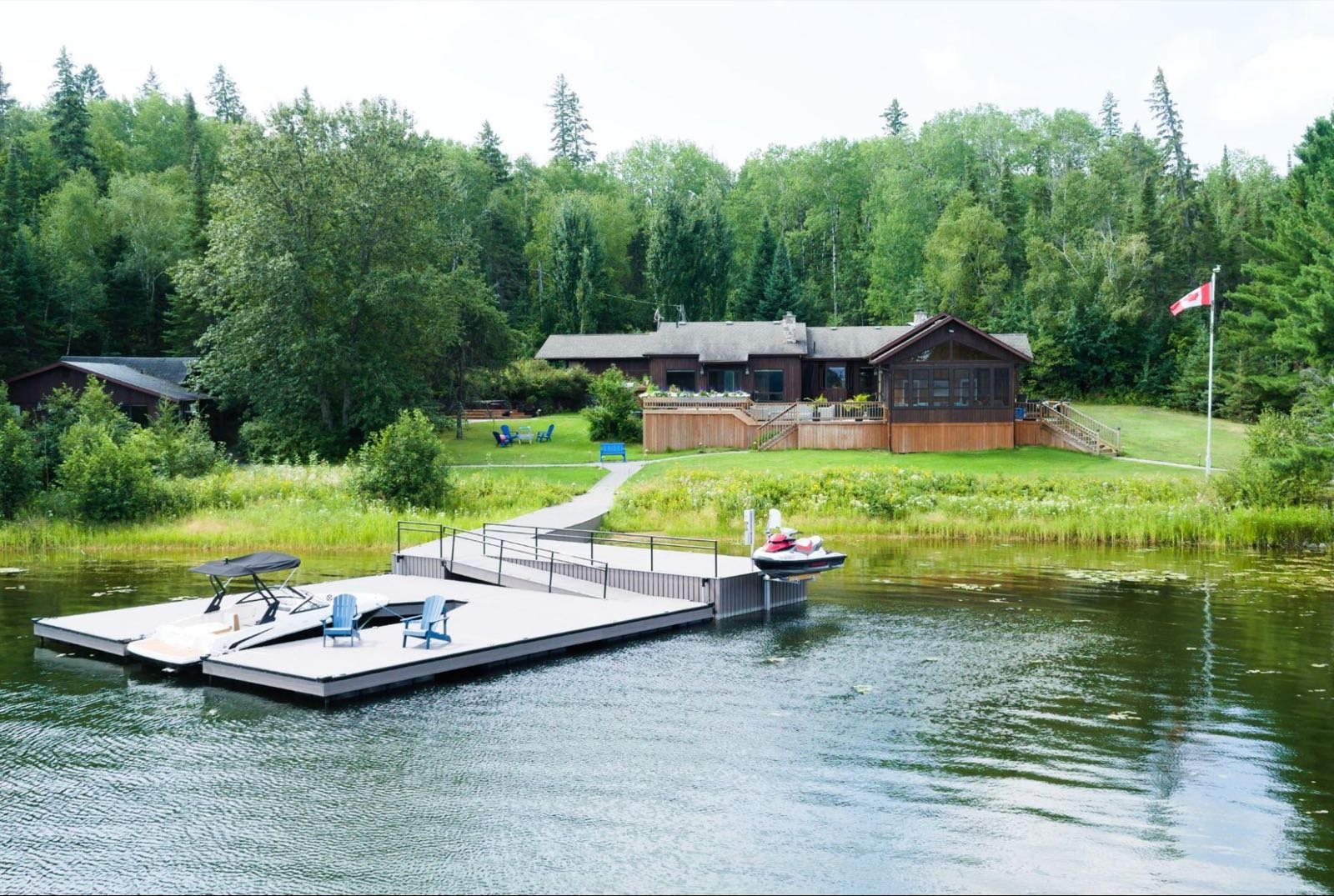
On a Kenora shoreline where water levels rise and fall by the season, the previous dock had simply run its course. High water in 2022 made the decision for the cottage owners to rebuild for fluctuations in water.
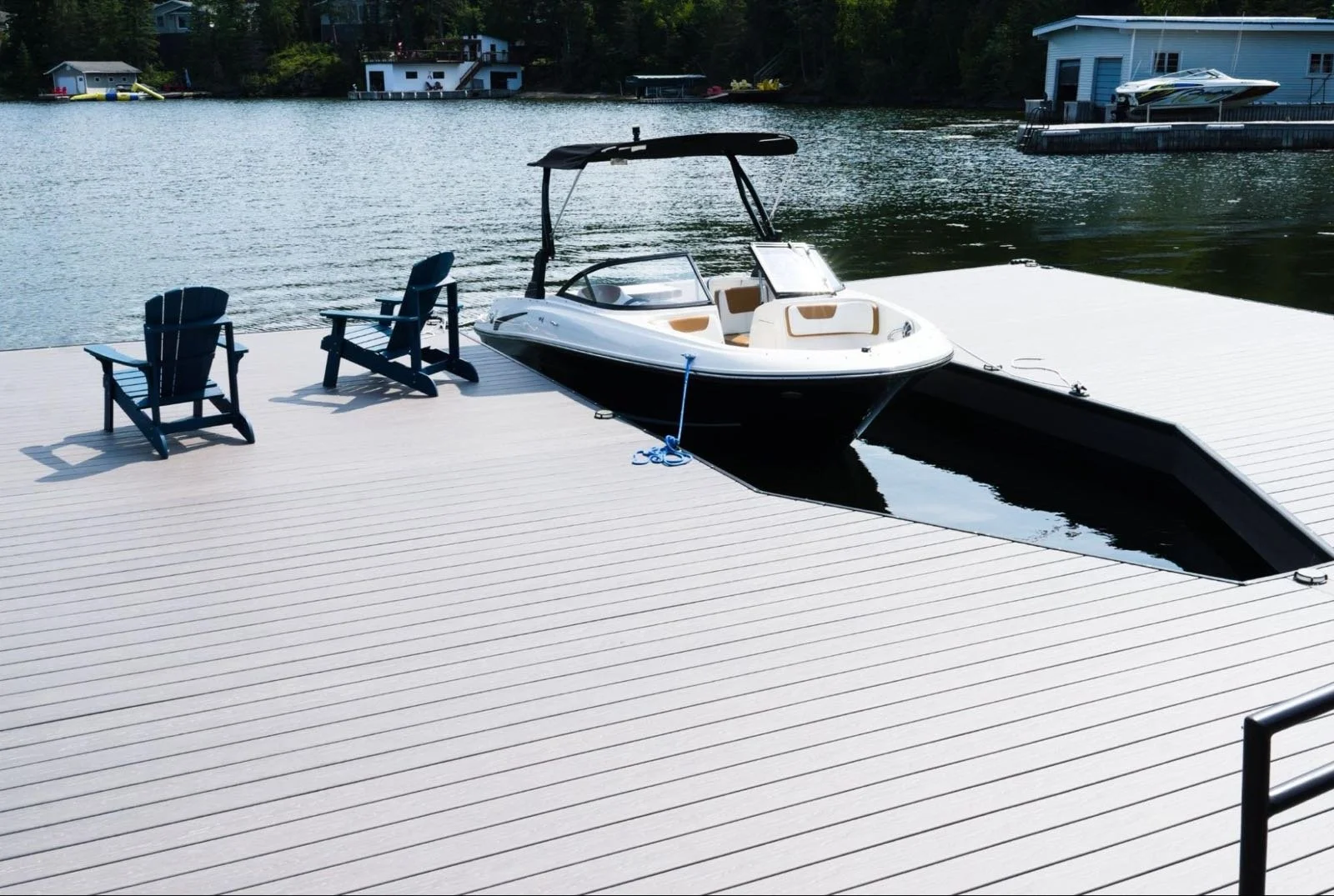
Stephan Janzen of Timber Wolf Construction was brought in to rebuild and design not only a structure, but a relationship between the property and the lake: deeper water access, boat parking, and a design flexible to move with conditions rather than resist them. A local bylaw limiting properties to one boathouse closed off the obvious solution, so Janzen reimagined the brief entirely, folding a floating boat slip directly into the dock's architecture.
Engineering for a Shifting Lake
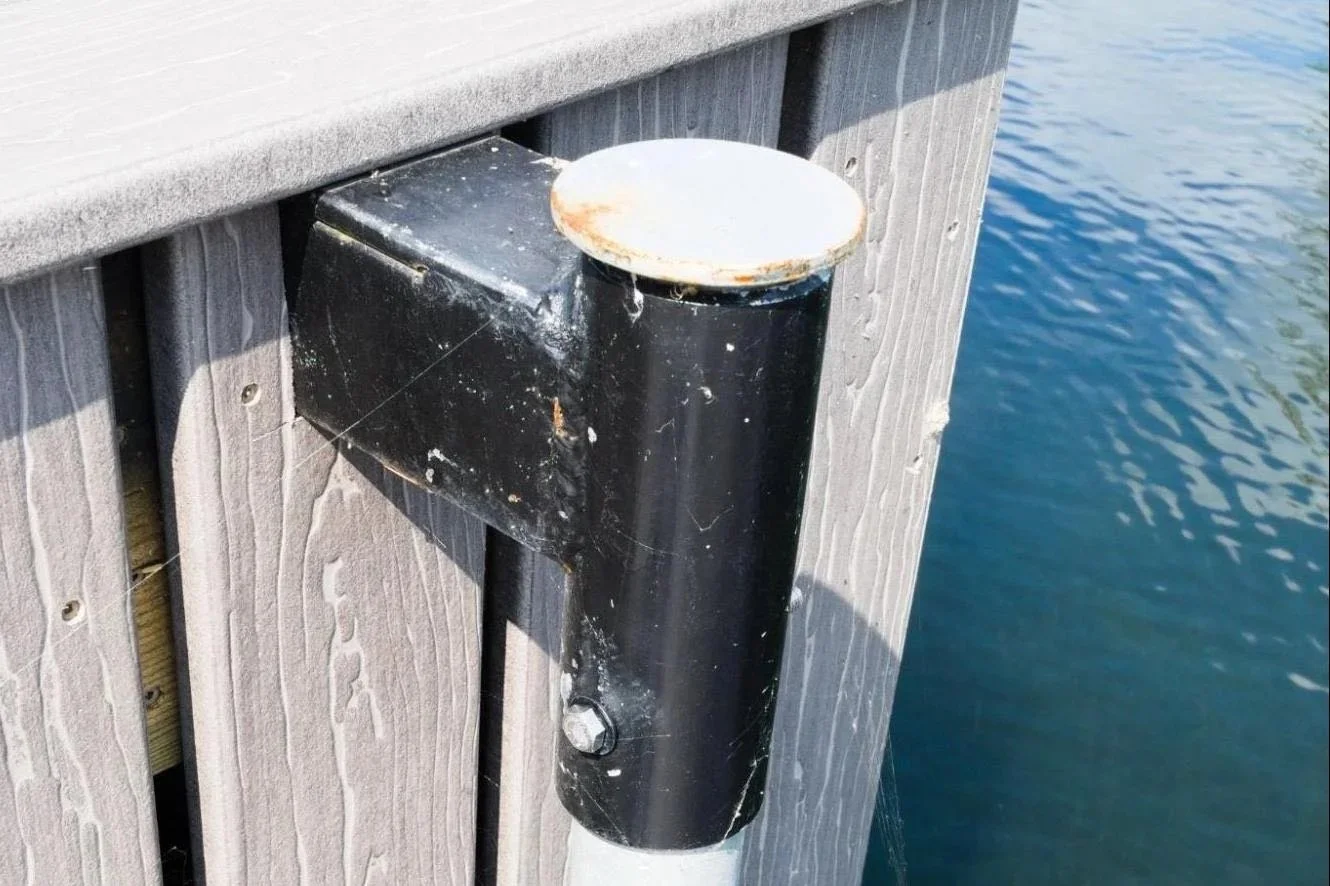
A long ramp absorbs the lake's seasonal rise and fall, angled side to side to work within tight lot lines without sacrificing scale. Below it, a drill pipe system with double-linkage corners lets the floating deck shift laterally as conditions demand, an engineering detail invisible to the eye but essential to the structure's composure.
Janzen has worked alongside Kenora architects Claude Lord and his daughter Gabrielle, whose fingerprints are already on this property through a previous addition, paving stone work, and a bridge rebuilt after the original was lost to the lake in 2014.
Material as Strategy
Declining quality and stricter chemical regulations pushed Janzen toward composite decking, sourced through Lumber One's design and material team and engineered specifically for structures that spend half their life submerged.
Why Composite Decking Fits Lake Country
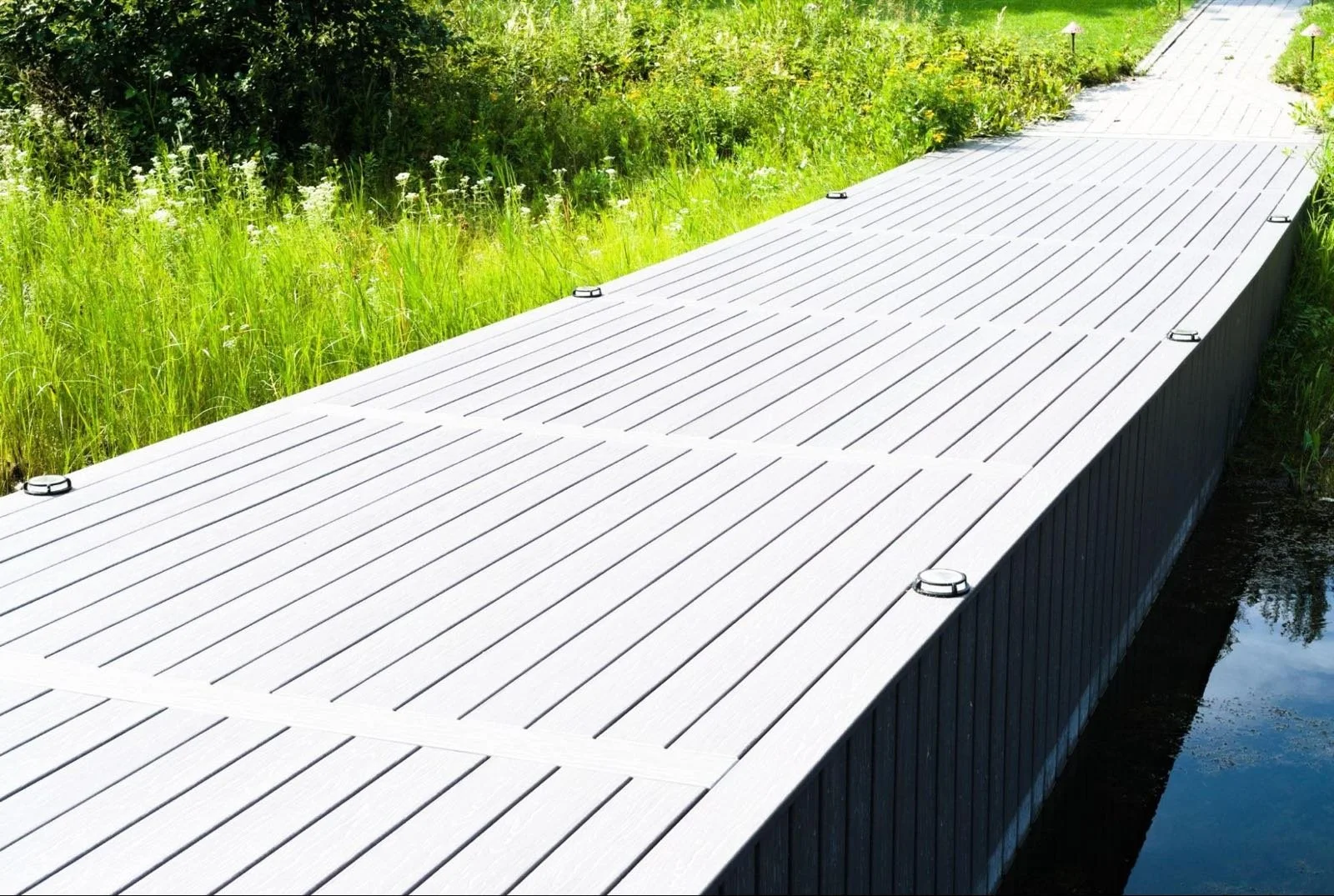
Composite decking blends wood fiber with polymer, producing a board that behaves very differently than treated lumber. Where treated wood expands, contracts, and eventually splinters under repeated freeze-thaw cycles, composite holds its dimensions through Manitoba and northwestern Ontario's seasonal swings, from summer heat on open water to winter cold. That stability matters most exactly where this dock needed it: at the waterline, where humidity and temperature shift fastest and structural materials are put under the most sustained stress.
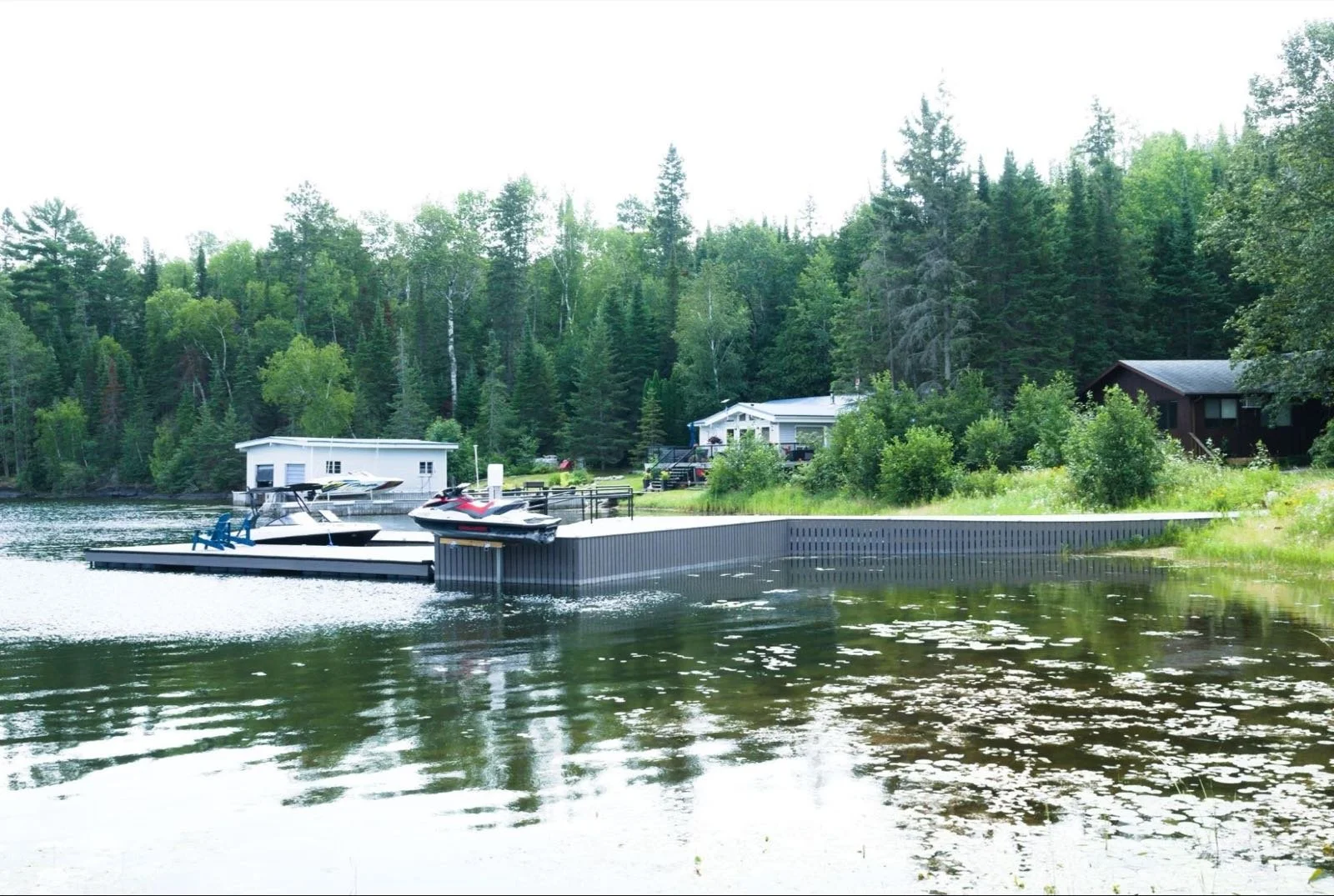
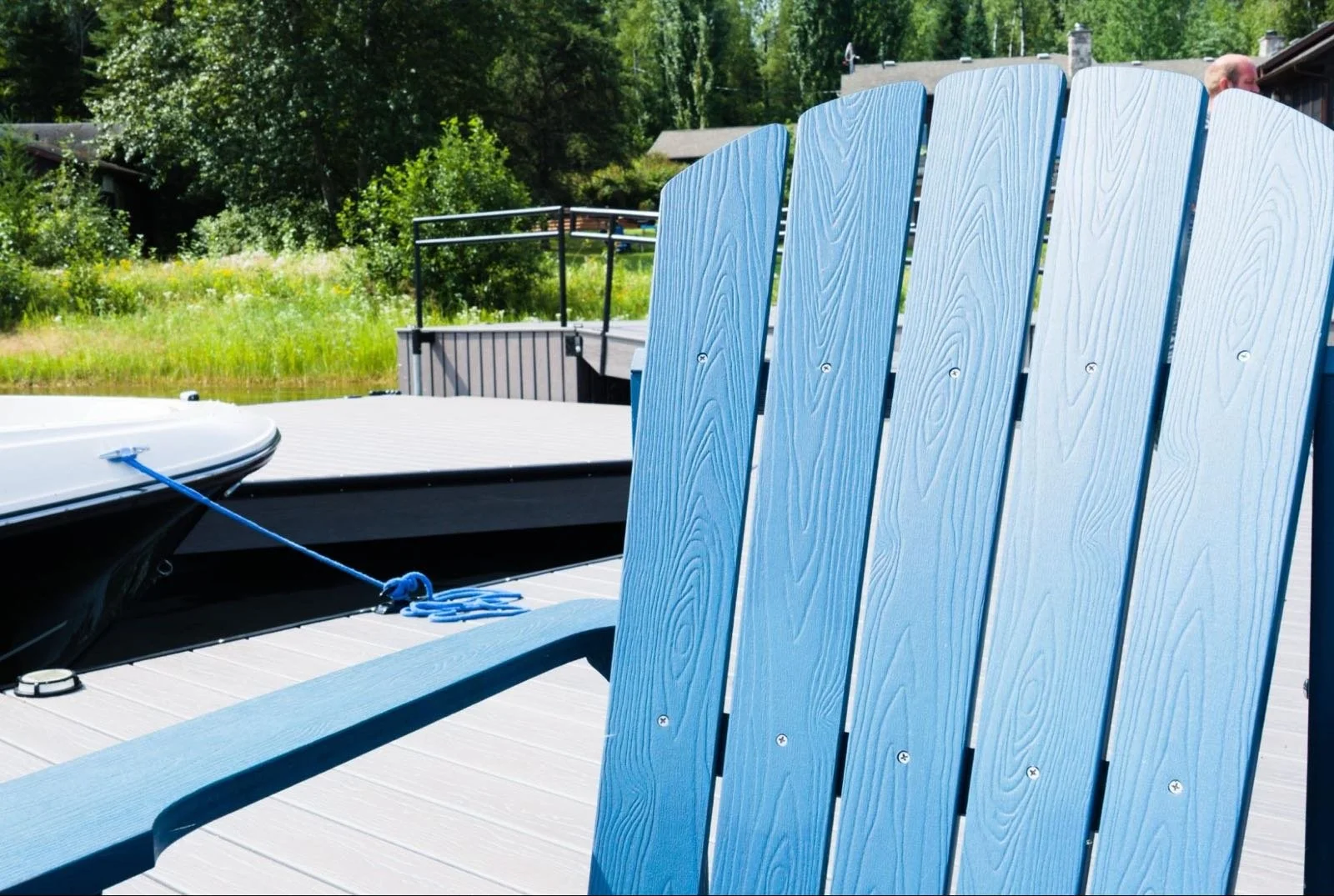
Lumber one carries composite decking brands such as TimberTech, MoistureShield, Trex, and Fiberon, which all read like natural wood grain but performs like a technical material: stable through heat and cold, waterproof to a warrantied standard that covers full or partial submersion, is cool underfoot even in direct sun, and resistant to fading. For dock skirting exposed to the water table year-round, it's less a decking choice than a structural one. Unlike older composite formulations, which could warp or discolour under prolonged UV exposure, current-generation boards are engineered to hold their finish season after season, without the sanding, staining, or sealing treated wood demands.
The result is a material suited less to a backyard deck than to marine-adjacent construction, capstock protection against moisture intrusion, consistent performance below the waterline.
The One Built for the Build
Behind the design sits a supply chain Janzen trusts implicitly, anchored by Lumber One's Glenn. Ordering, scheduling, and delivery run with a precision that removes guesswork from the build, and when material questions arise, alternatives arrive fast. It's the kind of partnership Lumber One has built its name on across lake country: knowing a site and a timeline well enough that quiet is confirmation, not concern.
Location
Lake of the Woods
Builder
Stephen Janzen, Timber Wolf Construction
Designer
Stephen Janzen